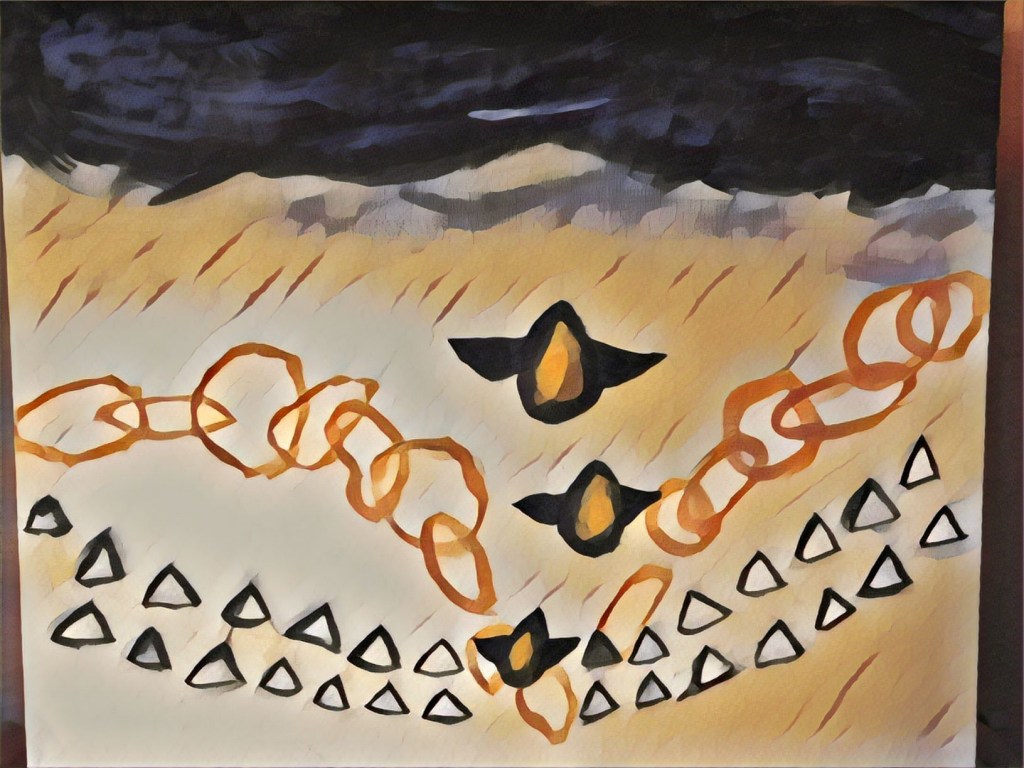
De besparingen op ‘de vrije uitdrukking’ in de culturele sector… op weg naar een eenvormige en eenstemmige massacultuur
Voor context, zie:
Segers, F. (2019, 9 november). Forse besparingen in de cultuursector, projectsubsidies met 60 procent omlaag. Geraadpleegd op 13 januari 2019 via https://www.vrt.be/vrtnws/nl/2019/11/09/besparingen-in-de-cultuursector-projectsubsidies-met-60-procent/.
Wanneer organisaties die goed in het plaatje passen van bepaalde regeringspartijen meer subsidies krijgen dan andersdenkende of misschien meer kritische kunstenaars/cultuurorganisaties, is er volgens mij iets grondig mis met hun perceptie van wat kunst en cultuur in een samenleving kunnen en moeten betekenen.
Ik vraag me af waarom kunst nog een meerwaarde zou zijn als we een deel van de bevolking (met andere ideeën, uiteenlopende ideeën) uitsluiten van deze beleving en het bijzonder leerzame contact met verschillende visies van het culturele podium laten verdwijnen. Voor mij is kunst de koning van de vrije expressie, zonder koning wordt de werking van ‘het land’ verstoord. Laten we niet vergeten dat we vrijheid van meningsuiting hoog in het vaandel dragen; van propaganda verspreiden, wil daarnaast niemand beschuldigd worden. Zich tot zo’n handelingen wenden, doen tenslotte alleen maar fundamentalisten die het op de gewone en eerlijke manier niet kunnen redden.
Kunst en cultuur geven de tijdsgeest en aspecten van de hedendaagse samenleving weer, zowel de mooie als minder mooie. Wat goed gaat (of wat de regeringspartijen goed vinden) mag natuurlijk weergegeven worden, maar aspecten in vraag stellen (of andere visies aanbrengen), is een essentieel deel van de culturele en artistieke uiting. We kunnen de gewoonten, gevestigde waarden en de algemene werking van onze samenleving niet bevestigen zonder kritiek te mogen uiten, dan zou de kunst geen volledig beeld geven van de vele nuances en moeilijkheden, en zou deze daarbij niet de hele bevolking representeren. Blind zijn voor de verscheidenheid aan mensen komt niet overeen met het besturen en garanderen van het welzijn van de hele bevolking, toch is dat wat de vertegenwoordigers van de hele bevolking horen te doen. Vlaams-nationalistisch belang (waar het in deze kwestie over gaat) is niet gelijk aan algemeen belang.
In de uitleg over het waarom met betrekking tot de besparingen bij en de kritiek op de VRT, vond ik een iets wat vreemde gedachtegang. Zo zou de openbare omroep de Vlamingen een spiegel moeten voorhouden. Ze moeten de Vlaamse waarden en gewoonten (meer) aan bod laten komen, want vandaag herkennen de Vlamingen zich niet in de televisieprogramma’s, aldus (een deel van) de regering. Ah ja, de mensen moeten zich toch gezien en thuis voelen?
Aan de andere kant wil het Vlaams-gerichte deel van de regering de Vlaamse waarden versterken. Versterken betekent de Vlaamse waarden laten toenemen of kunstmatig (meer dan anders het geval zou zijn, bv. na ontdekking van de nadelen van exclusieve Vlaamse waarden) in stand houden; de mensen beïnvloeden opdat ze (nog) meer Vlaamsgezind worden en blijven. Om dit te bekomen zal de nadruk op Vlaamse waarden en gewoonten in personages hoger liggen dan bij de Vlamingen zelf, anders is er van versterking geen sprake. De spiegel die ervoor moet zorgen dat de Vlamingen een kopie van zichzelf/hun leefwereld kunnen waarnemen op televisie en dat ze zich gezien en thuis voelen, wordt hier dan toch nog ondermijnd. Door de bepleiter zelf.
Ik hoop in ieder geval van harte dat iedereen een gelijke kans krijgt om zich te uiten, en dat dit ook in de toekomst zo zal blijven. Kunst verrijkt en laat zich niet in een bepaald hokje steken. Kunst is de vaardigheid van het reizen over en verblijven in verschillende hokjes en, als het moet, de vaardigheid van het buiten de lijntjes kleuren. Opdat dit zo mag blijven.
The savings on ‘the free expression’ in the cultural sector… towards a uniform and unified mass culture
For context, see:
Segers, F. (2019, 9 november). Forse besparingen in de cultuursector, projectsubsidies met 60 procent omlaag. Geraadpleegd op 13 januari 2019 via https://www.vrt.be/vrtnws/nl/2019/11/09/besparingen-in-de-cultuursector-projectsubsidies-met-60-procent/.
When organizations that fit in well with the picture of certain government parties receive more subsidies than dissenting or perhaps more critical artists / cultural organizations, there is, in my opinion, something completely wrong with their perception of what art and culture can and should be in a society.
I wonder why art would be an added value if we exclude part of the population (with different ideas, divergent ideas) from this experience and let the particularly instructive contact with different visions disappear from the cultural stage. For me, art is the king of free expression, without a king the functioning of ‘the land’ is disturbed. Let us not forget that we hold freedom of speech as important; in addition, nobody wants to be accused of making propaganda. Turning to such acts, after all, only do fundamentalists who cannot make it in the ordinary and honest way.
Art and culture reflect the spirit of the times and aspects of contemporary society, both the beautiful and the less beautiful. What goes well (or what the government parties think is good) may of course be represented, but questioning aspects (or introducing different visions) is an essential part of the cultural and artistic expression. We cannot confirm the habits, established values and the general functioning of our society without being allowed to criticize, then art would not give a complete picture of the many nuances and difficulties, and would not represent the entire population. Being blind to the diversity of people does not correspond to managing and guaranteeing the well-being of the entire population, yet that is what the representatives of the whole population should do. Flemish-nationalist interest (which is the subject of this issue) is not the same as the public interest.
In the explanation of the why with regard to the savings and the criticism of the VRT, I found something strange in the way of thinking. It’s about the statement that the public broadcaster should hold up a mirror to the Flemish. They must let the Flemish values and customs be addressed (more), because today the Flemish people do not recognize themselves in the television programs, according to (a part of) the government. Ah yes, people must feel seen and at home, right?
On the other hand, the Flemish-focused part of the government wants to strengthen Flemish values. Strengthening means increasing Flemish values or maintaining them artificially (more than would otherwise be the case, e.g. after discovering disadvantages of exclusive Flemish values); influence people so that they become and remain (more) Flemish-minded. To achieve this, the emphasis on Flemish values and habits in characters will be higher than within the Flemish people themselves, otherwise there is no question of reinforcement. The mirror that must ensure that the Flemish can see a copy of themselves / their environment on television and that they feel seen and at home is still undermined here. By the advocate himself.
In any case, I sincerely hope that everyone will have an equal opportunity to express themselves, and that this will continue to be the case in the future. Art is enriching and does not get stuck in a certain box. Art is the skill of traveling over and staying in different boxes and, if necessary, the skill of coloring outside the lines. That this may remain so.
 The Idealist